Esoteric Shamanistic Tourism in Focus of Science
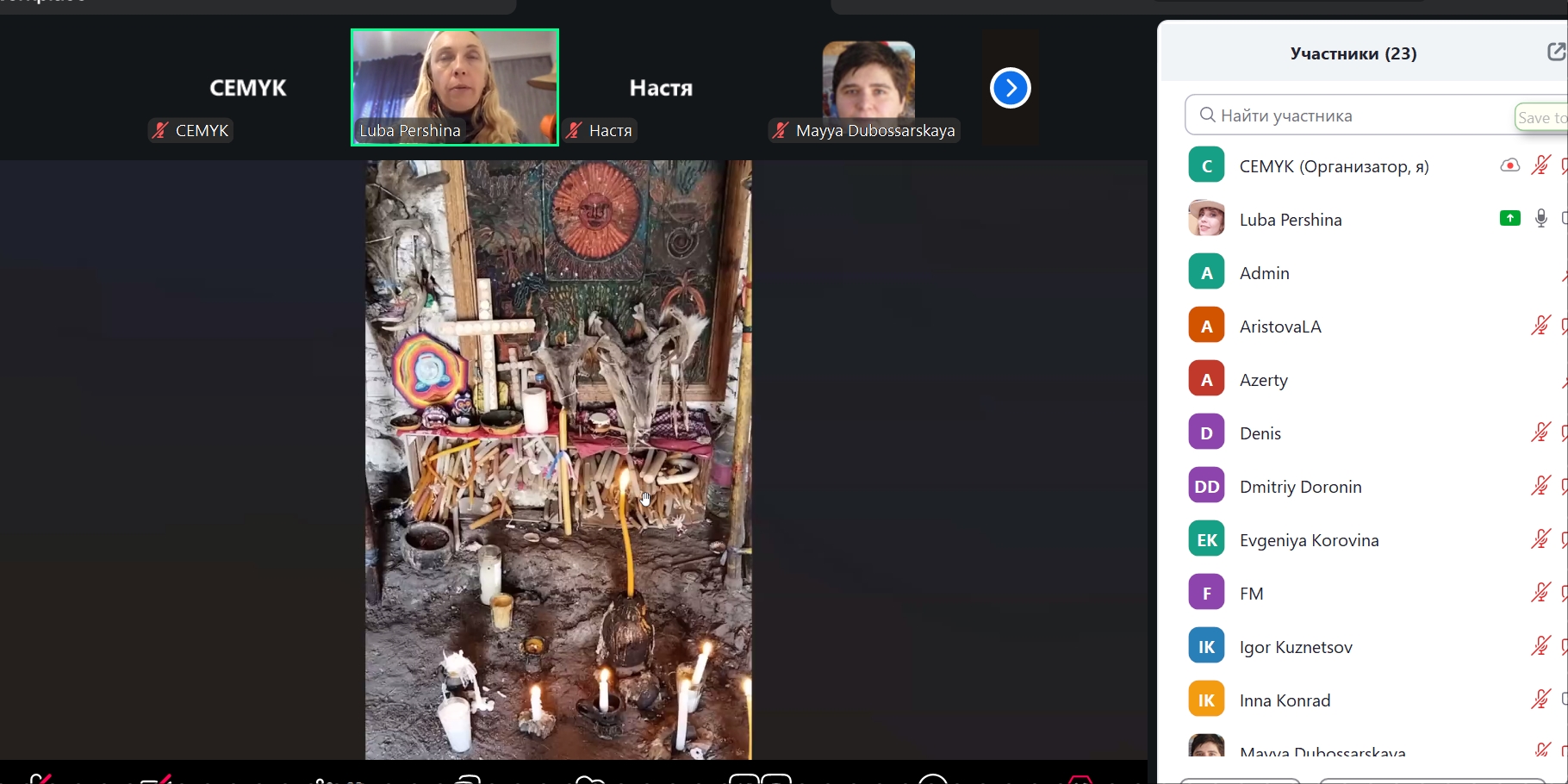
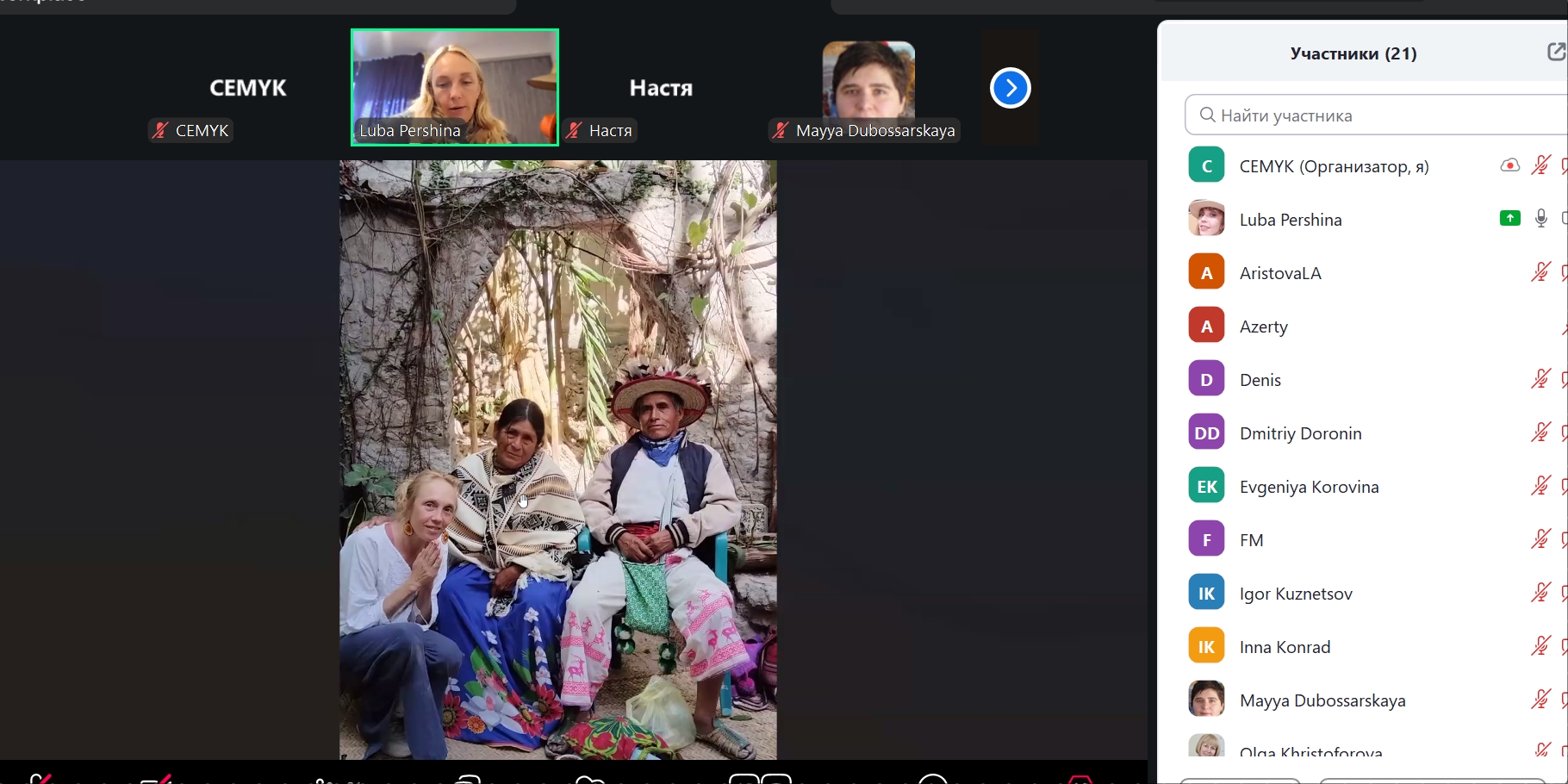
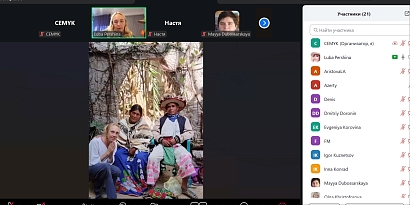
On January 15th at the meeting of the American Seminar organized by MAFEI, IEA, SPbII RAS, and RGGU, Lyubov Pershina, an independent researcher with a Master's degree in Social Anthropology from Universidad Autónoma Metropolitana, Mexico City, presented her report titled “Results of Field Research on Esoteric Tourism with Wixárika (Huichol) Shamans.”
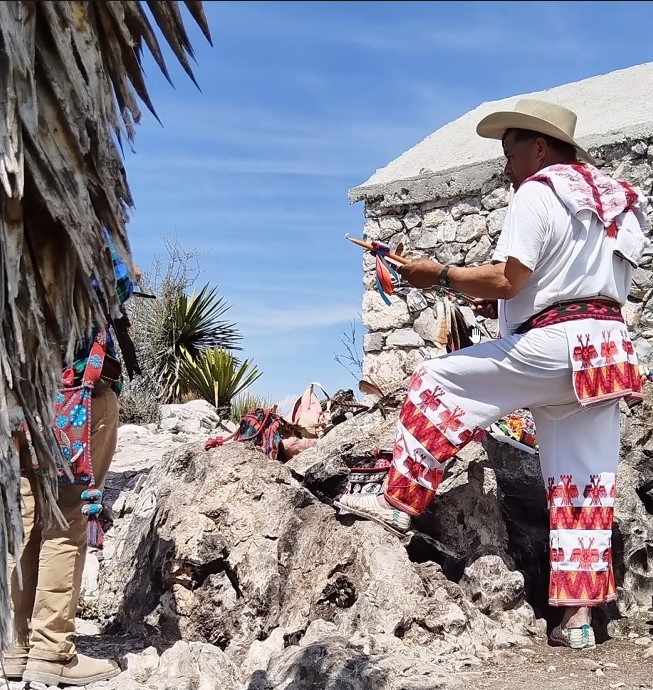
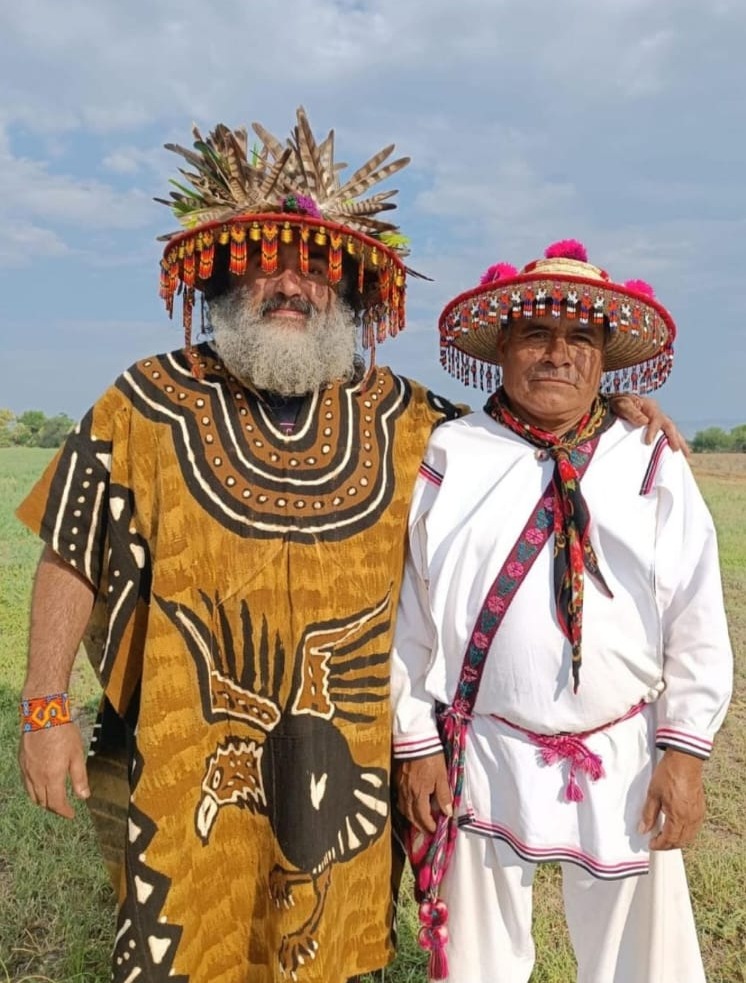
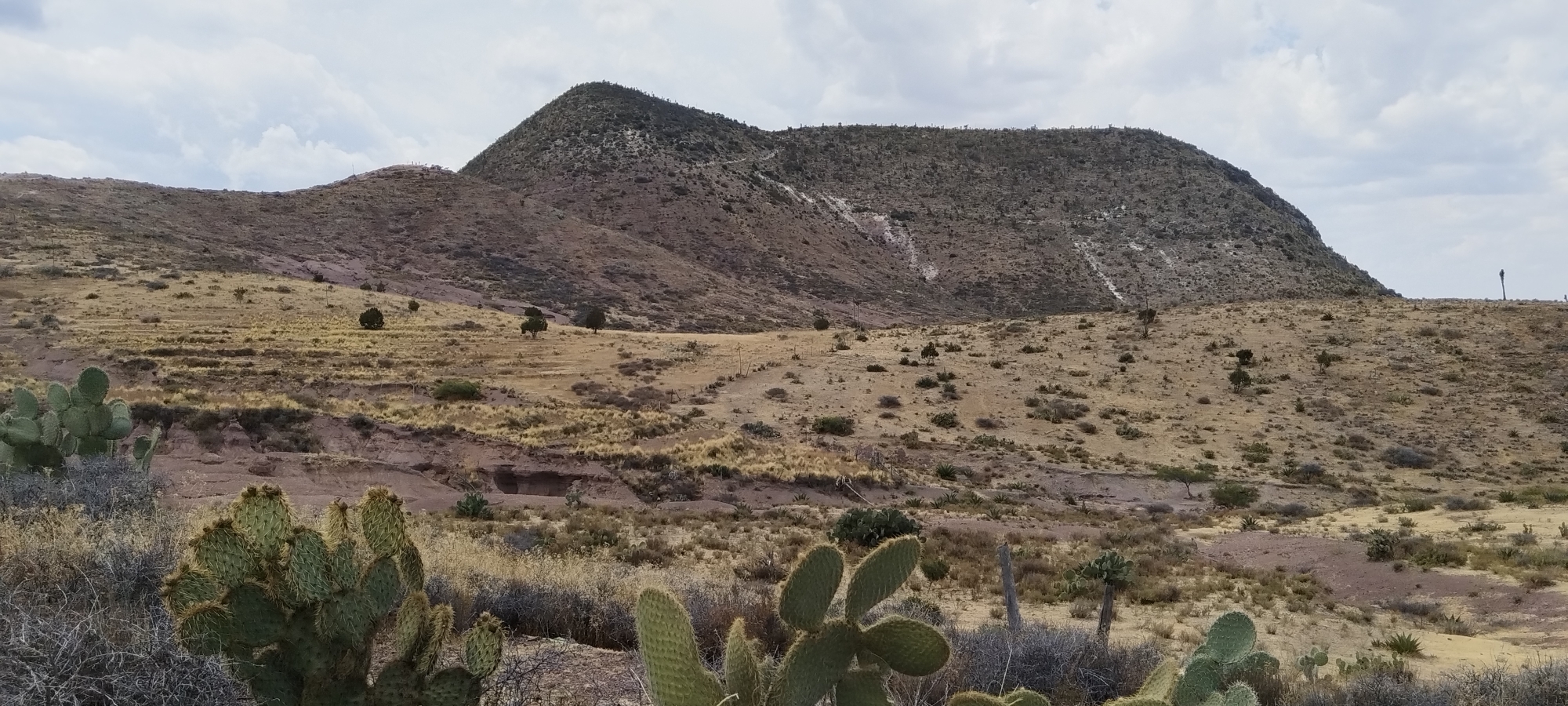
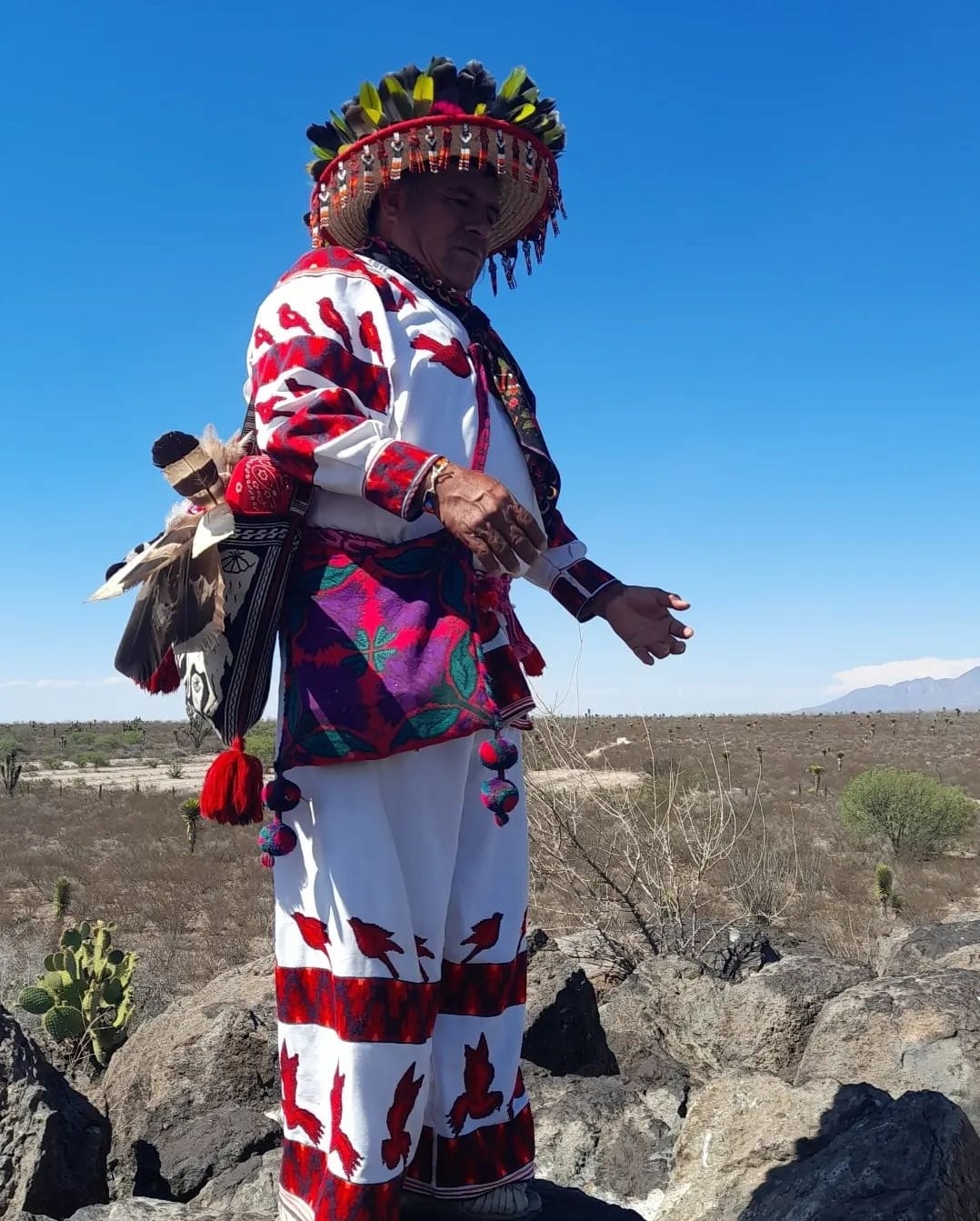
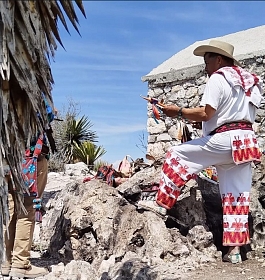
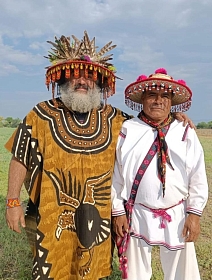
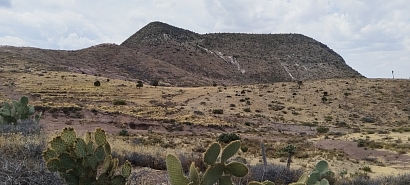
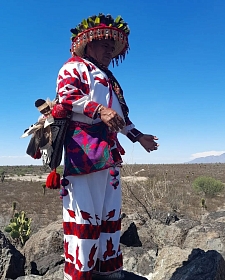
In recent decades, esoteric shamanistic tourism has gained widespread popularity. Countries in Latin America such as Peru and Mexico attract particular interest among seekers of spiritual experience and healing due to their preserved indigenous cultures. For many travelers, visiting these places is not merely a vacation but rather a tool for spiritual self-development. Over several years, anthropologist Lyubov Pershina conducted field research among shamans of the Huichol people in Mexico. The Huichols live in the mountains of Western Sierra Madre and maintain pre-Hispanic beliefs and ritual practices. Central to their spiritual life is an annual pilgrimage to Wirikuta Desert (San Luis Potosí state) – a sacred land where, according to Huichol myths, the sun was born and ancestral spirits reside. Since 2025, this route and all associated sacred sites have been included in UNESCO’s World Heritage List.
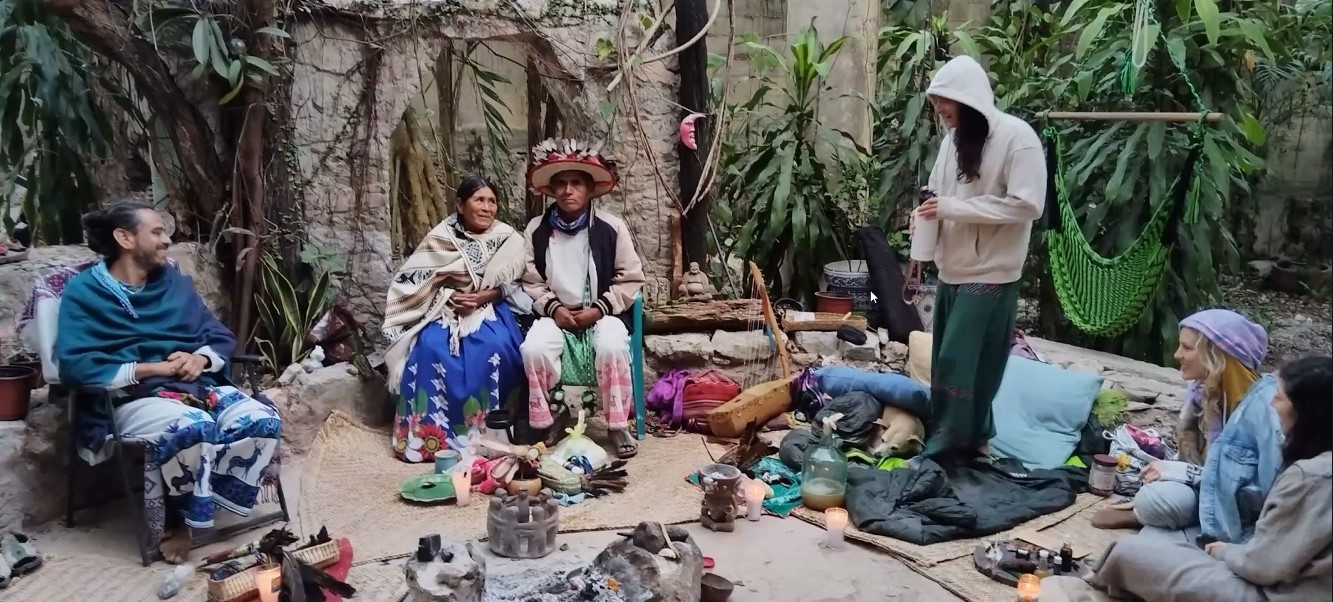
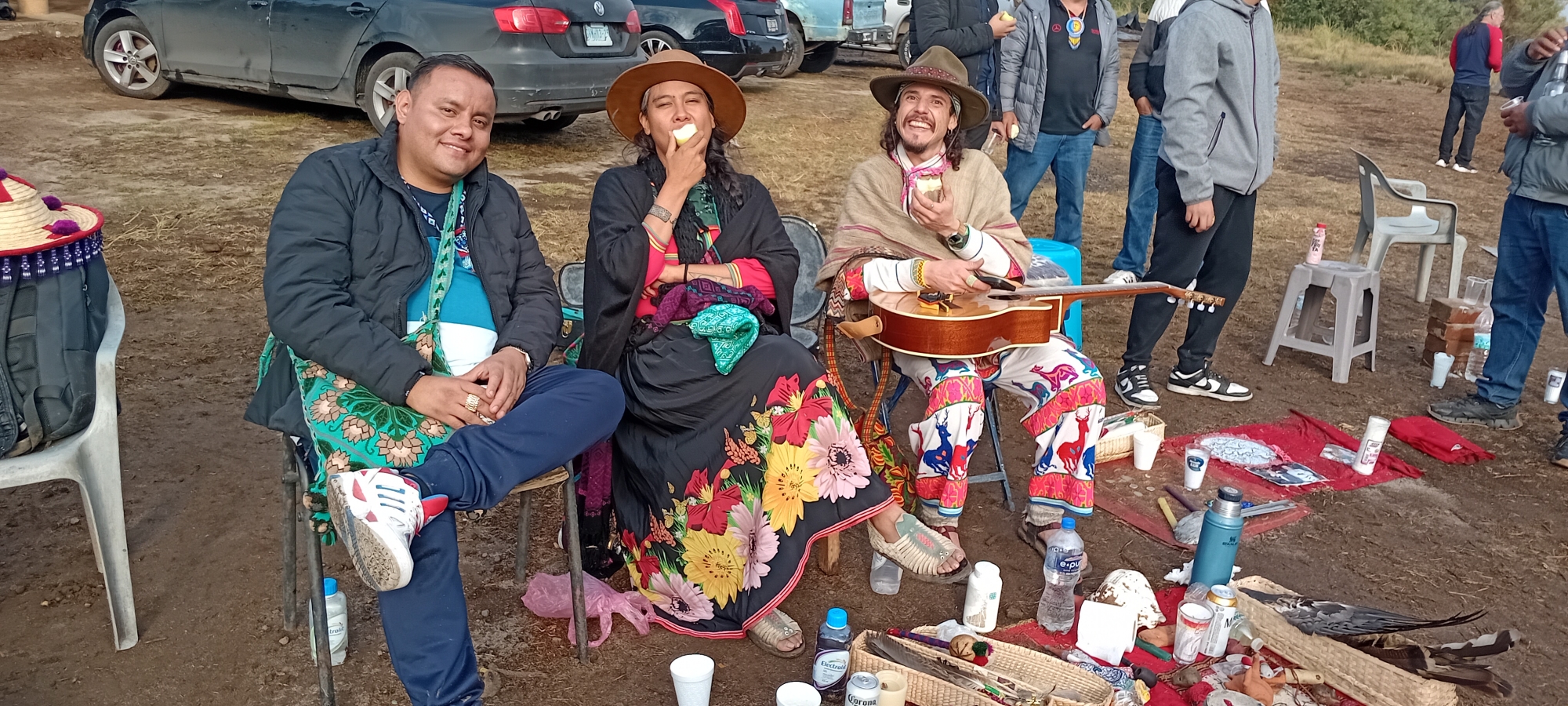
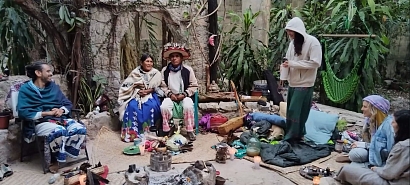
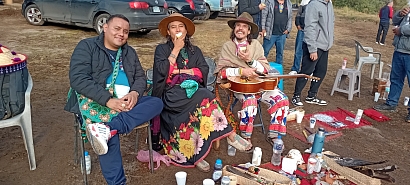
About twenty years ago, the shamanic practices of the Huichols began attracting attention from spiritual seekers – both urban Mexicans and foreign visitors. As a result, shamans started conducting special ceremonies tailored specifically for tourists, significantly adapting rituals to meet the expectations of uninitiated audiences. Most participants (approximately 70%) attend only one ceremony and do not return, while there exists a circle of dedicated individuals – shamanic apprentices – who come regularly and receive sacred knowledge through multi-year training programs. Some eventually become intermediaries themselves, organizing tourist groups and passing down the tradition.
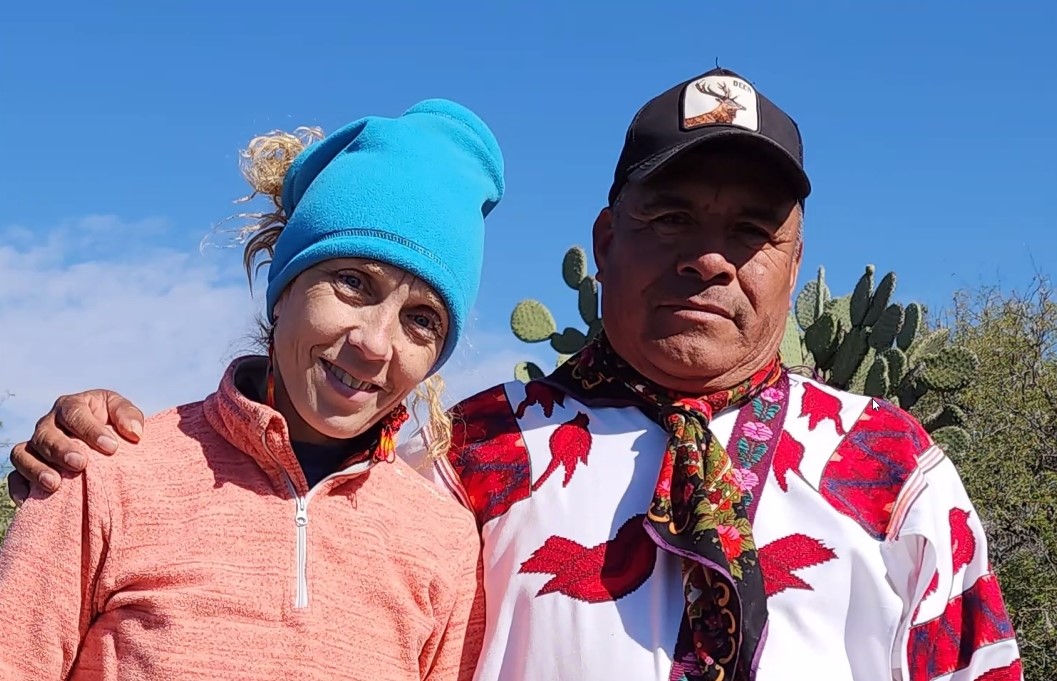
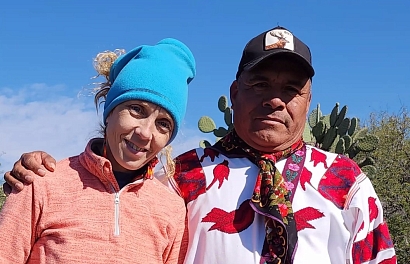
The presenter managed not only to observe this process but also became part of it. She joined the inner circle of Don Andres, one of the most respected Huichol healer-shamans, and participated in about 20 ceremonies under his guidance. Ethnographic methods – participant observation and autoethnography (deep introspection) – provided access to unique material ranging from intricate details of ritual actions and mythological interpretations to social dynamics within groups and personal experiences. Her study revealed a complex hierarchy consisting of eight types of participants – from the main shaman and his closest assistants to ordinary tourists. This stratification determines the level of access to knowledge, sacred objects, and proximity to the ritual fire.
Shamanic traditions among the Huichols remain vibrant and evolving. An entire sacred system extends beyond the community boundaries, becoming accessible to broader audiences. While ancient belief systems and rituals are preserved (myths, sacred locations, power plants), they evolve under the influence of tourism. At the intersection of different cultural influences, a new social and ritual reality emerges – a valuable object of study for ethnographers and anthropologists alike.