MAE RAS Director spoke at the Federation Council
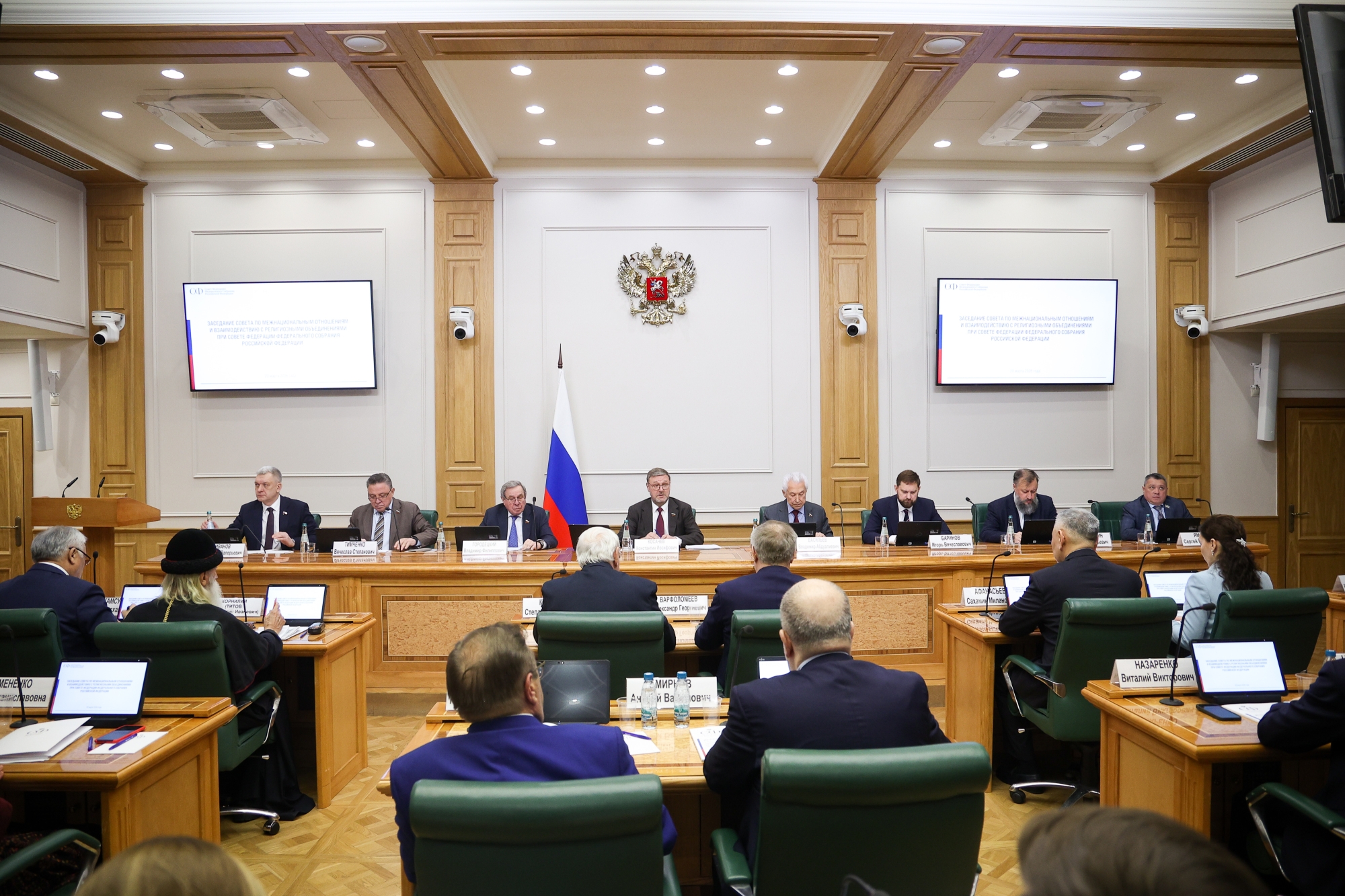
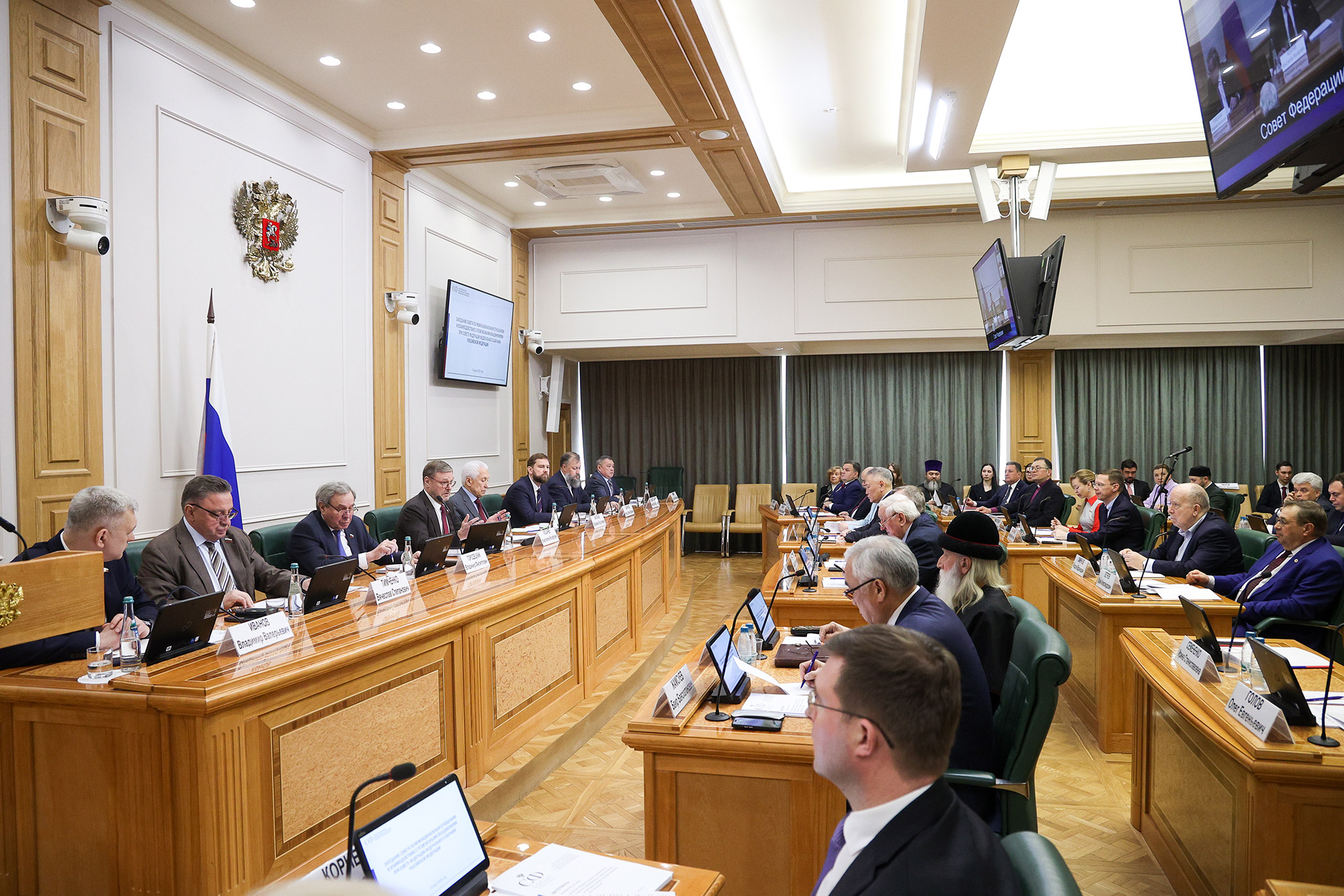
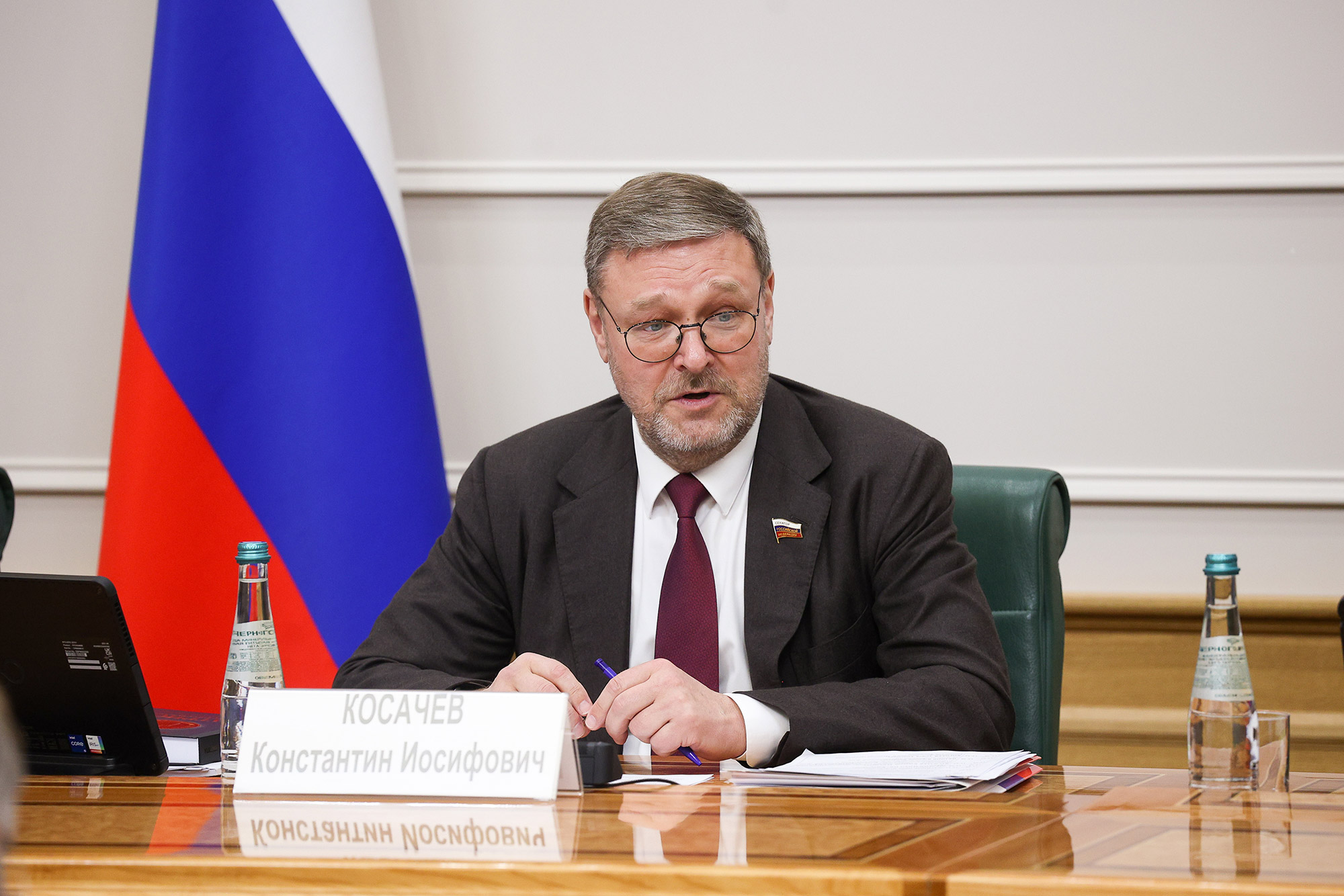
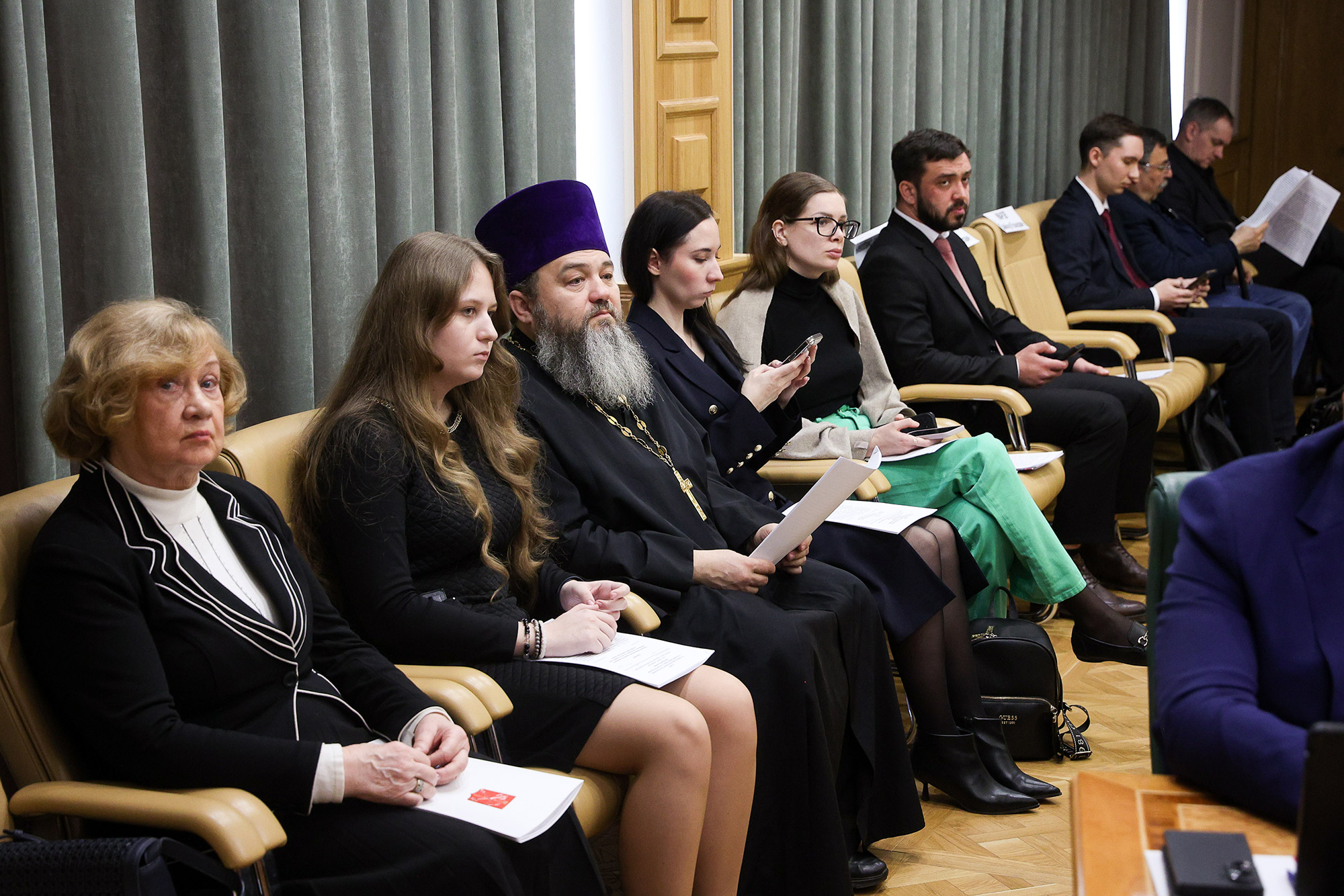
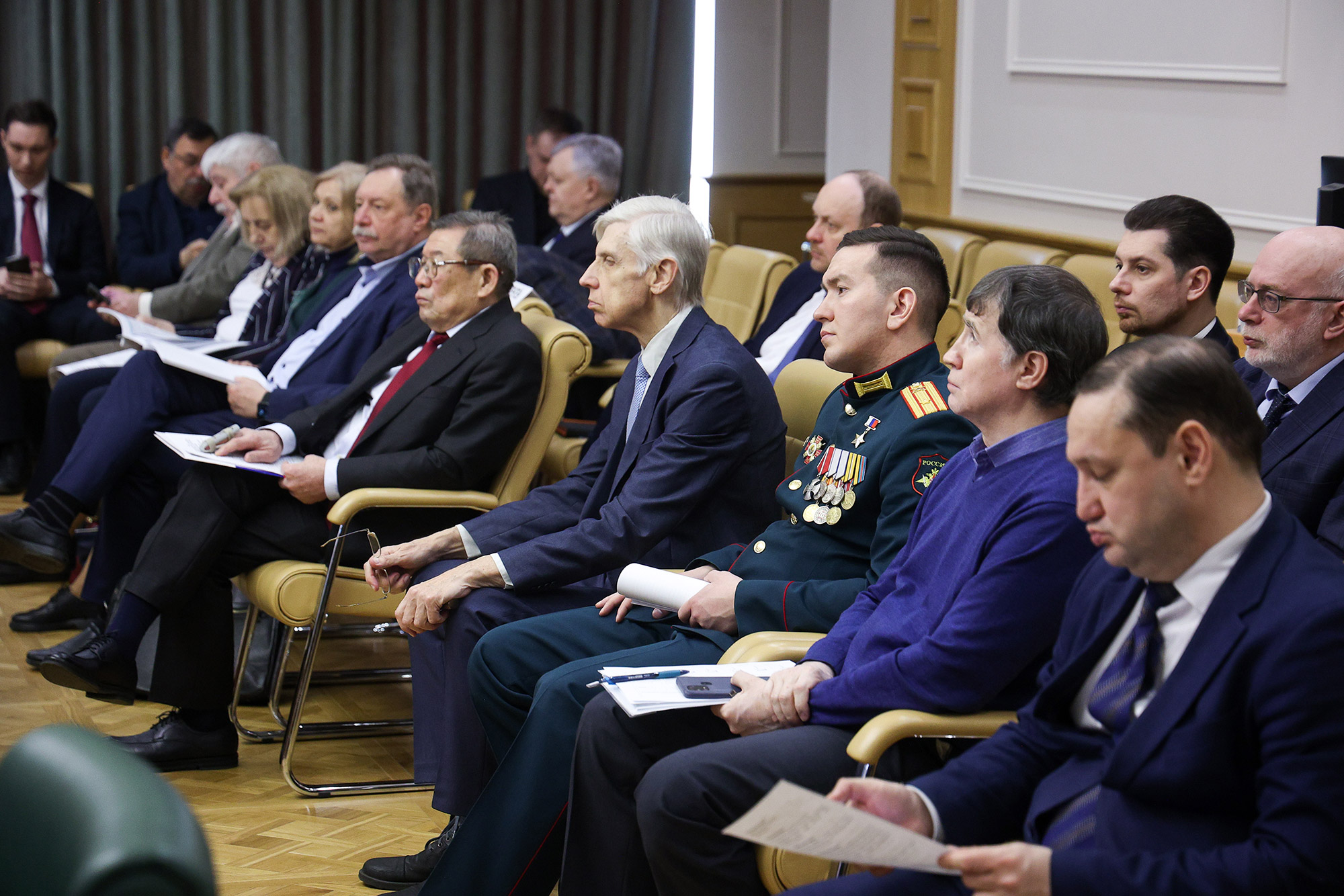
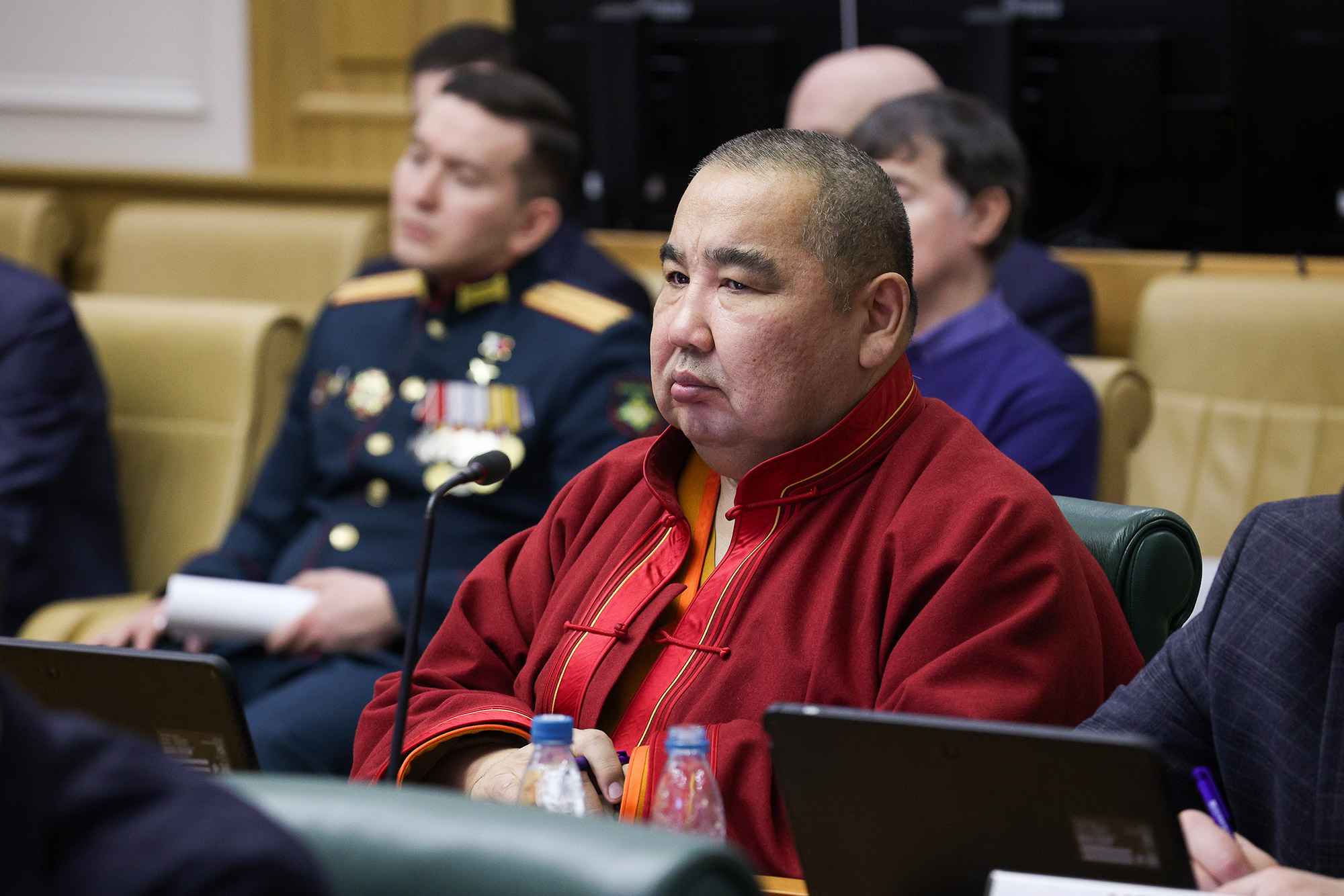
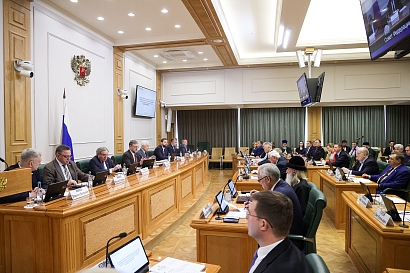
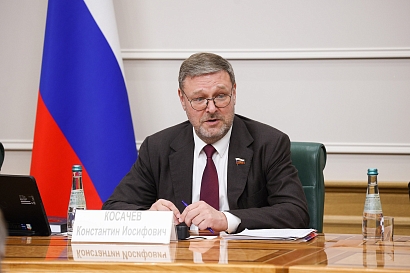
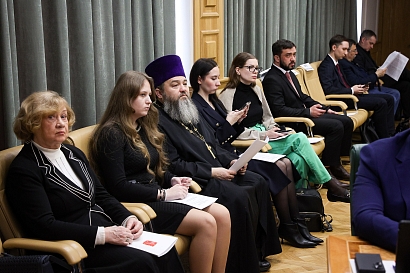
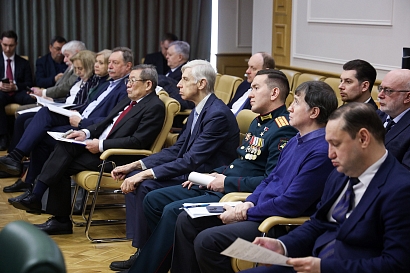
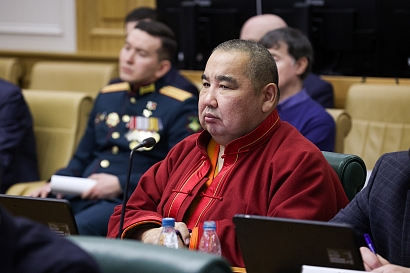
On March 20, a meeting of the Council for Interethnic Relations and Interaction with Religious Associations under the Federation Council was held, chaired by Deputy Speaker of the Federation Council Konstantin Kosachev. The topic of the discussion was “Strengthening the All-Russian Civil Identity (Civic Consciousness) as one of the main goals of the state national policy.”
In his opening remarks, Kosachev noted that the meeting was being held jointly with the Commission on Strengthening the All-Russian Civil Identity, part of the Presidential Council for Interethnic Relations. The Deputy Speaker of the Federation Council reminded attendees that at the end of last year, following a meeting of the Presidential Council on Interethnic Relations, the head of state issued several directives regarding information support for national policy. “An important practical step was the establishment of a new collegial body — the Government Commission on the Implementation of the State National Policy of the Russian Federation.” Konstantin Kosachev also highlighted the President’s decision to declare 2026 the Year of Unity of the Peoples of Russia.
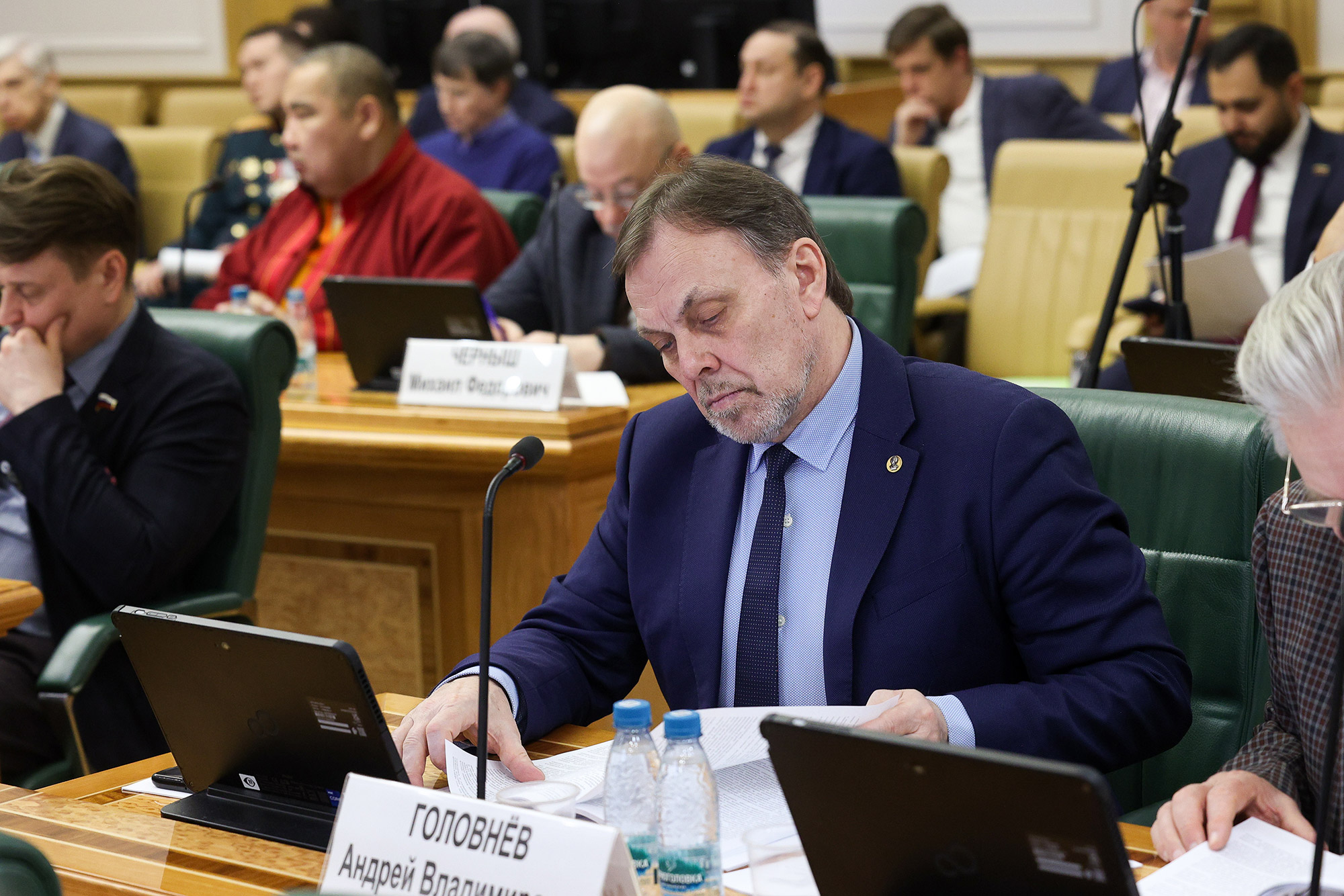
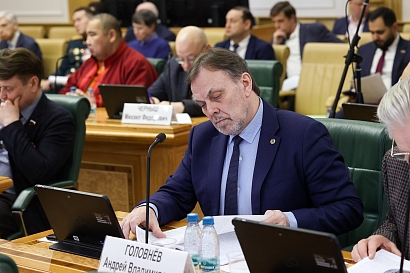
In his speech, Academician of the Russian Academy of Sciences and Director of MAE RAS, Andrei Golovnev, addressed the historical context of Russia’s multinational character:
“I would like to say that the Russian experience of multinationality, polyethnicity, or multi-peoplehood — I consider these synonyms — is truly noteworthy as a successful one, perhaps even the most successful in the world. As a representative of the oldest scientific organization in our country, I cannot but begin by noting that during the first expeditions initiated by Peter the Great, when Russia became interested in itself as an empire, it discovered that it is a country of peoples. Moreover, these expeditions were sent to explore resources, and the main categories with which naturalists returned — who became ethnographers during their decade-long journeys — were precisely peoples. I would like to emphasize that ethnography and folk studies were also born in Russia in the 18th century, a century before anthropology and ethnology appeared in their evolutionist version in the West. It took shape as a description of 80 peoples compiled by the Academy of Sciences. This was the first scientific compilation, the first scientific work in folk studies.”
At the end of his speech, A.V. Golovnev invited everyone to the St. Petersburg EthnoForum, which will take place from May 20–22. The forum will be dedicated to a wide range of topics, including debatable issues related to ethnocultural strategies and national ideas, as well as what unites us in the Year of Unity of the Peoples of Russia.